
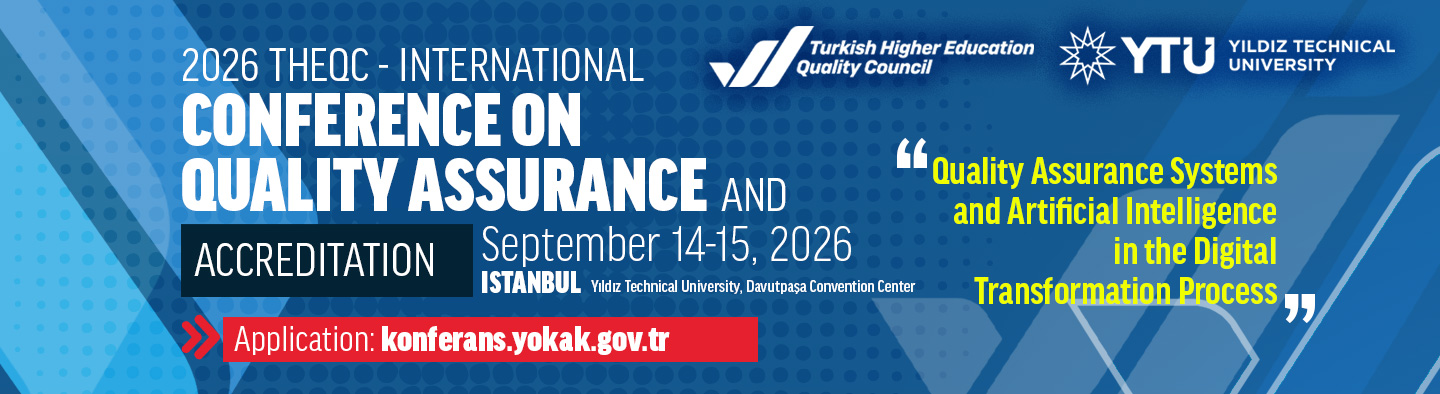
2nd THEQC International Conference on Quality Assurance and Accreditation
“Quality Assurance Systems and Artificial Intelligence in the Digital Transformation Process”
CONFERENCE BOOK
CLICK HERE to download the Conference Proceedings Booklet (Proof).
Conference Booklet Now Available
The conference booklet for the 2nd THEQC International Conference on Quality Assurance and Accreditation has been published on the conference’s official website.
All presenting authors are kindly requested to carefully review their papers as included in the booklet and verify the accuracy of all relevant information. Any requests for corrections concerning the papers or other related information should be submitted to the conference’s official email address no later than 20 October 2026.
Correction requests received by the specified deadline will be reviewed, and the necessary revisions will be made accordingly.
Following 20 October 2026, an ISBN will be assigned to the conference booklet, after which no further amendments or corrections will be possible.
Authors are therefore strongly encouraged to review their papers and all associated information in the booklet thoroughly and to submit any necessary correction requests within the specified period.
Conference Proceedings
"2nd THEQC International Conference – Proceedings Book" Proces
Dear Participant,
The Proceedings Book of the “2nd THEQC International Conference on Quality Assurance and Accreditation” will comprise “Abstract Papers” and “Full Papers”.
The draft version of the Proceedings Book will be published on the conference’s official website on 10 October 2026. Authors will have the opportunity to submit corrections and/or updates regarding their papers between 10 and 20 October 2026.
The ISBN number of the Proceedings Book will be obtained on 20 October 2026. Following this date, no further revisions or corrections will be made to the Proceedings Book.
Thank you for your valuable contributions and cooperation.
Conference Organizing Committee
ANNOUNCEMENT
OFFICIAL CONFERENCE CLOSING ANNOUNCEMENT
It is our great pleasure to announce the successful conclusion of the 2nd THEQC International Conference on Quality Assurance and Accreditation.
Bringing together distinguished scholars, researchers, higher education professionals, quality assurance experts, accreditation specialists, policymakers, and participants from Türkiye and around the world, the Conference provided a distinguished international platform for the exchange of knowledge, experiences, and perspectives on quality assurance and accreditation in higher education.
Throughout the Conference, a rich and diverse scientific programme featured high-quality paper presentations, insightful keynote contributions, engaging panel discussions, and thought-provoking academic sessions. The papers and presentations contributed substantially to the intellectual depth of the Conference and fostered meaningful dialogue on current developments, emerging challenges, and future directions in quality assurance and accreditation.
We extend our sincere appreciation to all authors and presenters for sharing their research, expertise, and valuable insights. Their scholarly contributions formed the intellectual foundation of the Conference and greatly enriched the discussions.
Our special thanks go to all Session Chairs, Panelists, and Moderators for their expertise, dedication, and invaluable efforts in facilitating productive discussions and ensuring the successful and engaging conduct of the Conference sessions and panels.
We would also like to express our deepest appreciation to the Organizing Committee for their outstanding commitment, professionalism, and tireless efforts throughout the planning and implementation of the Conference. Their meticulous work and dedication were instrumental in bringing this international gathering to a successful conclusion.
We are particularly grateful to Yıldız Technical University, our esteemed host institution, for its generous hospitality, institutional support, and invaluable contribution to the successful realization of the Conference. We sincerely appreciate its commitment to academic excellence, international collaboration, and the continuous advancement of quality in higher education.
Our sincere gratitude also goes to our valued sponsors and supporting organizations for their generous support and partnership. Their contributions played an important role in enabling the Conference to provide a high-quality environment for academic exchange and professional engagement.
Above all, we would like to thank all participants for their presence, active engagement, and meaningful contributions. The success of the 2nd THEQC International Conference on Quality Assurance and Accreditation is a testament to the collective commitment of an international community dedicated to advancing quality, excellence, and continuous improvement in higher education.
Conference Materials
Participation Certificates and the official Conference Booklet, including the Conference programme and the contributions presented during the event, will be published online in due course and made available to all participants.
As we bring this edition of the Conference to a close, we hope that the discussions initiated, ideas exchanged, and connections established will continue to inspire further collaboration and contribute to the advancement of quality assurance and accreditation practices in higher education.
We look forward to continuing this shared journey and to welcoming you again at future editions of the THEQC International Conference on Quality Assurance and Accreditation.
With our highest appreciation and sincere regards,
The Conference Organizing Committee
2nd THEQC International Conference on Quality Assurance and Accreditation
KEYNOTE SPEAKERS
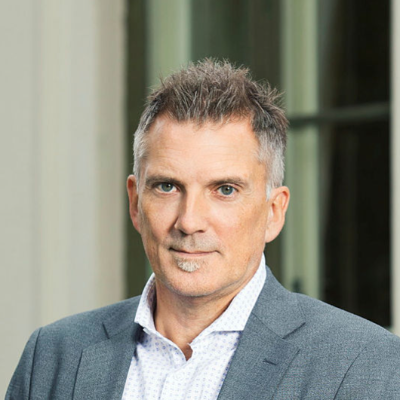
Prof. Dr. Bjørn STENSAKER
President of EQAR, Professor of Higher Education at University of Oslo, Research Professor at NIFU The Nordic Institute for Studies in Innovation Education and Research
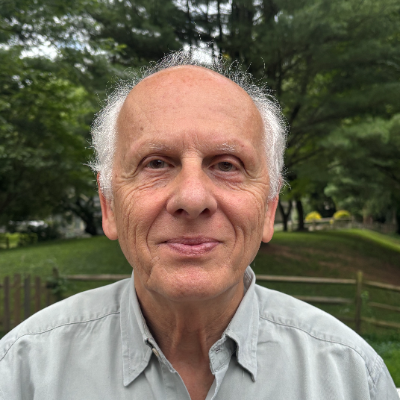
Jamil SALMI
Emeritus Professor of Higher Education Policy at Diego Portales University, Research Fellow at Boston College’s Center for Higher Education
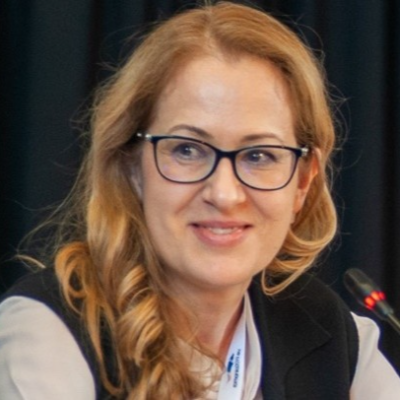
Prof.Dr. Daniela Cristina GHIȚULICĂ
President, The European Association for Quality Assurance in Higher Education (ENQA); General Director, The Romanian Agency for Quality Assurance in Higher Education (ARACIS)
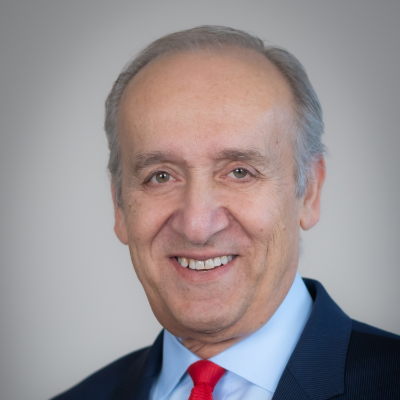
Dr. Nasser H. PAYDAR
President of the Council for Higher Education Accreditation (CHEA)
Partners
ORGANIZERS
HOST INSTITUTION
STAKEHOLDER INSTITUTIONS


SPONSOR
Committees
Honorary Committees
Professor Ümit KOCABIÇAK, President of THEQC
Professor Eyüp DEBİK, Rector of Yıldız Technical University
Chairman of the Organizing Committees
Ramazan BAYINDIR, Vice President of THEQC
Vatan KARAKAYA, Vice Rector of Yıldız Technical University
Sema YILMAZ, Council Member of THEQC
Advisory Boards
Ali BİLGİN, Council Member of THEQC
Mustafa Sıtkı BİLGİN, Council Member of THEQC
Elif ÇEPNİ, Council Member of THEQC
Hüseyin AĞIR, Council Member of THEQC
Mesut GÜNER, Council Member of THEQC
Murat SARĞIN, Council Member of THEQC
Aşkın TÖREN, Council Member of THEQC
Gülden Banu MÜDERRİSOĞLU, Council Member of THEQC
Cengiz DELİBAŞ, Council Member of THEQC
Fatma Derya ARIKAN, Council Member of THEQC
Organizing Committees
Mehmet YILMAZ, Secretary General of THEQC
Olgun ÇİÇEK, International Advisor of THEQC
Ronny HEINTZE, International Advisor of THEQC
Ivan LEBAN, International Advisor of THEQC
Yunus Nadi YÜKSEK, Advisor to the President of THEQC
Resul TELLİ, Advisor to the President of THEQC
Levent ALTINTAŞ, Advisor to the President of THEQC
Çiğdem SAZAK TURGUT, Advisor to the President of THEQC
Meryem Ayşegül KOZAK ÇAKIR, Advisor to the President of THEQC
Hüsamettin EKİCİ, Advisor of THEQC
Ruhsar KAVASOĞLU, Advisor of THEQC
Sena ÇATAL, Advisor of THEQC
Ömer Faruk YILDIZ, Branch Manager of THEQC
Aykut BÖCÜKCÜ, Assistant Expert of THEQC
Muzaffer Mert TOPUZ, Assistant Expert of THEQC
Mustafa ÖZCAN, Assistant Expert of THEQC
Muhammed İkbal SAĞKOL, Assistant Expert of THEQC
Serkan DÖNMEZOĞLU, Assistant Expert of THEQC
Volkan BABACAN, Assistant Expert of THEQC
Zeynep DEMİR, Assistant Expert of THEQC
Scientific Committees
Şenol AKIN, Yozgat Bozok University
Philip G. ALTBACH, Boston College, USA
Mehmet Emin ARICI, Karadeniz Technical University
Feyza ARICIOĞLU, Marmara University
Juan Carlos ARROYO - Universidad Ucatec, Bolivia
Hakan ATILGAN, Ege University
Cengiz Hakan AYDIN, Özyeğin University
Ali AZAR, Zonguldak Bülent Ecevit University
Salih BARDAKÇI, Hacettepe University
Chan BASARUDDIN, University of Indonesia, Indonesia
Eltjo BAZEN, EQAR – European Quality Assurance Register, Netherlands
Ergül BERBER, Istanbul Arel University
Brandford BERVELL, University of Cape Coast, Ghana
Oğuz BORAT, Istanbul Commerce University
Neslihan BOYAN, Çukurova University
Chané de BRUYN, University of Johannesburg, South Africa
Rui Alexander CASTANHO, Portalegre Polytechnic University, Portugal
Hamish COATES, Australian National University, Australia
Clifton CONRAD, University of Wisconsin–Madison, USA
Maximilian CONRAD, University of Iceland, Iceland
Gwilym CROUCHER, University of Melbourne, Australia
Bülent ÇAVAŞ, Dokuz Eylül University
Ferhan ÇEBİ, Istanbul Technical University
Olgun ÇİÇEK, Senior Researcher, University of Ljubljana, Slovenia
Atilla ÇİMER, Trabzon University
Tuncay DÖĞEROĞLU, Eskişehir Technical University
Muzaffer ELMAS, Kocaeli University of Health and Technology
Sina ERCAN, Yeditepe University
Füsun EYİDOĞAN, Başkent University
İlyas GÖKHAN, Hacı Bayram University
Anca GREEREG, Babes-Bolyai University, Romania
Meenu GUPTA, Marwadi University, India
Durmuş GÜNAY, Maltepe University
Bilal GÜNEŞ, Gazi University
Bekir S. GÜR, Hacettepe University
Kamil GÜREL, University of Health Sciences
Rima ISAIFAN, Georgetown University, Qatar
Mustafa Necmi İLHAN, Gazi University
Hüseyin KARA, Selçuk University
Klemens KATTERBAUER, Euclid University, Gambia
Terri KIM, Hanyang University, South Korea
Manja KLEMENČIČ, University of Ljubljana, Slovania
Simona LACHE, Transilvania University of Brașov, Romania
Theodor LEIBER, University of Augsburg, Germany
Luis LOURES, Portalegre Polytechnic University, Portugal
Liviu MATEI, King’s College London, UK
Soraia MARİNO - Universidad Católica del Uruguay, Uruguay
Sélim MEKDESSI, Lebanese University, Lebanon
Ka Ho MOK, The Hang Seng University of Hong Kong, Hong Kong
Juan Carlos MONDRAGÓN-QUINTANA, University of Bristol Business School, England
Teboho MOJA, New York University, USA
Vesile MÖHSÜMOVA, Bakü Devlet University, Azerbaijan
Anatoly V. OLEKSIYENKO, The Education University of Hong Kong, Hong Kong
Murat ÖNDER, Boğaziçi University
Nedime Lerzan ÖZKALE, Istanbul Commerce University
Ercan ÖZTEMEL, Marmara University
Francesc PEDRÓ, Universitat Pompeu Fabra, Spain
Fabricio Pelloso PIURCOSKY, Centro Universitário Integrado, Brazil
Jana PRODANOVA, Macedonian Academy of Sciences and Arts, Macedonia
Juliana Elisa RAFFAGHELLI, Università degli Studi di Padova, Italy
Manuel SALAS-VELASCO, University of Granada, Spain
Pedro Portugal dos SANTOS JUNIOR - Instituto Federal de Minas Gerais, Brasil
Şule Itır SATOĞLU, Istanbul Technical University
Esra SİVEREKLİ, Gaziantep University
Donald STAUB, Izmir University of Economics
Selva STAUB, Muş Alparslan University
Macit Fikret SUNER, Istanbul Technical University
Şükran ŞAHİN, Ankara University
Muzaffer ŞEKER, President of TÜBA / Necmettin Erbakan University
Necip ŞİMŞEK, Istanbul Commerce University
Sultan TAŞÇI, Erciyes University
Serdal TERZİ, Süleyman Demirel University
Ömer TORLAK, Istanbul Commerce University
Javier Eduardo Gallo TOSCANO, Universidad San Ignacio Loyola, Perú
Fabrizio TRIFIRÒ, Times Higher Education, INQAAHE, UK
Ana Sofía Quispe UBILLA - Universidad Científica del Sur, Perú
Orhan UZUN, Ankara University
Öktem VARDAR, TED University
N. V. VARGHESE, Indian Institute of Technology Bombay, India
Shen WENQIN, Peking University, China
Tuğba YANPAR YELKEN, Mersin University
Sibel Aksu YILDIRIM, Hacettepe University
Exhibition Stand Requests
Institutions and organizations wishing to set up an exhibition stand during the conference are kindly requested to contact the designated Stand Coordinator using the contact details provided below.
Sadettin ATAŞ: +90 507 821 89 37
Event Location
Yıldız Teknik Üniversitesi, Davutpaşa Kongre Merkezi
Venue
Yıldız Teknik Üniversitesi, Davutpaşa Kongre Merkezi
İstanbul, 34220, Türkiye
Address
Çifte Havuzlar, 34220 Esenler/İstanbul, Türkiye
